written by
Natalie Baylon

Intersection Equities, in partnership with Sundance Bay, has acquired Valley View Industrial, a 48,304-square-foot multi-tenant flex industrial facility in Southwest Las Vegas. The property at 5325 S. Valley View Blvd. sold for $8.75 million ($181 per square foot), strengthening Intersection’s commitment to the shallow-bay industrial sector.

Strategic Investment in a High-Growth Market

This marks Intersection’s seventh industrial investment and fourth in Las Vegas, reinforcing its focus on well-located properties with strong fundamentals. Valley View Industrial spans 1.9 acres and offers nine warehouse/office units ranging from 1,000 to 28,000 square feet. The property features:

  • 14’ to 18’ clear heights
  • 11 grade-level doors
  • High-visibility hard-corner location with strong daily traffic

Growing Demand for Las Vegas Industrial Space

“The demand for shallow-bay industrial properties in Las Vegas keeps rising due to population growth, strong tenant demand, and a limited supply of new developments,” said Anton Myskiw, Associate at Intersection. “This acquisition aligns with our strategy to invest in prime locations with value-add potential.”

Rocco Cortese, CEO of Intersection, added, “Our investment in Valley View Industrial reflects our commitment to enhancing industrial properties in dynamic markets. Through strategic upgrades and hands-on asset management, we aim to drive long-term value for investors and tenants.”

Prime Location with Excellent Connectivity

Valley View Industrial sits near Highway 15 and Highway 593, offering quick access to the Las Vegas Strip and major transportation routes. Given the scarcity of similar industrial properties, the facility is expected to attract a wide range of tenants, including warehousing, manufacturing, and logistics businesses.

Planned Upgrades & Value-Add Strategy

Intersection Equities plans key property enhancements to elevate Valley View Industrial to an institutional-quality asset. Planned improvements include:

  • Façade upgrades to modernize the exterior
  • New exterior paint for a fresh, updated look
  • Parking lot seal and stripe enhancements to boost curb appeal and long-term value

Transaction Details

Erik Sexton and Camila Rosales of NAI Excel represented the buyer in the transaction. The seller, Sanders Wyoming Trust, participated in the negotiations.
 

written by
Tara Moore

Managing Small Bay Industrial Properties

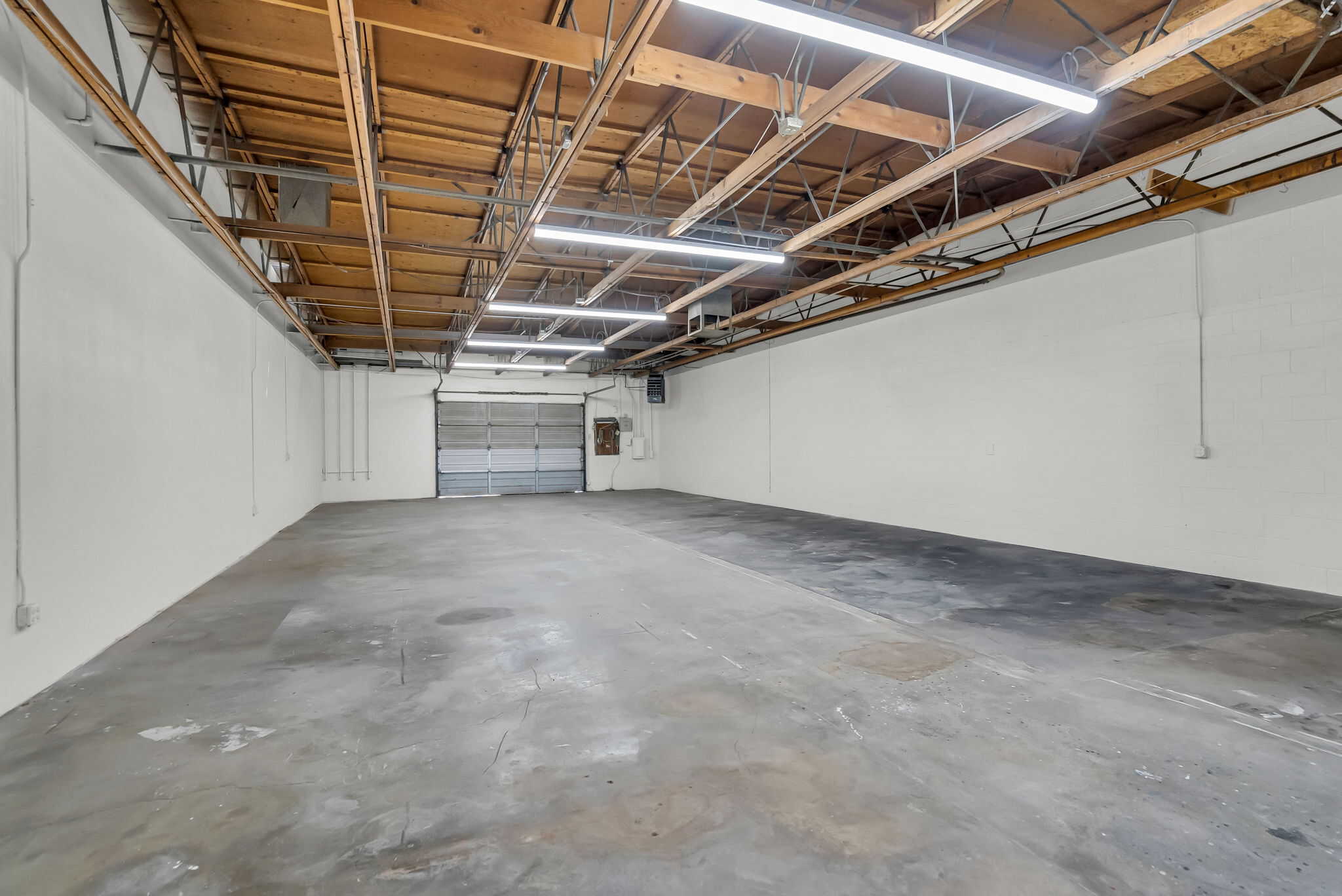
Vacant small bay warehouse shown in broom clean, white box condition.

Managing Small Bay Industrial Properties

Small bay industrial properties have become a standout in the commercial real estate world, gaining attention for their versatility and ability to attract a variety of tenants. These spaces are ideal for businesses like light manufacturing, logistics, and service providers. To manage them well, it’s all about balancing tenant needs, smooth operations, and long-term value.


Key Features of Small Bay Industrial

1. Size and Layout: These properties typically have unit sizes between 1,000 and 10,000 square feet, perfect for small to medium-sized businesses. Shallow bays make it easy to maximize the space, with features like grade-level loading doors and drive-in bays for smaller trucks and vehicles.

2. Flexibility: Small bay industrial properties are incredibly versatile, attracting tenants ranging from local service businesses to e-commerce operations. Many units include a small office area (about 5–20% of the space), making them ideal for businesses needing both workspace and admin areas.

3. Market Trends: E-commerce growth and the push for last-mile delivery have increased demand for small bay spaces, especially those close to urban areas. These properties can achieve high occupancy rates due to their adaptability and affordability, making them appealing to tenants like artisans, contractors, and specialty manufacturers.


Tips for Managing Small Bay Industrial

1. Maximize Occupancy

To keep vacancies low, you need a strong marketing plan, good relationships with brokers, and a clear strategy to attract tenants that match your property’s setup. Moreover, preparing spaces in advance (like white-boxing them) ensures they’re ready for tours, which speeds up leasing. Additionally, keeping an open line of communication with tenants can also boost satisfaction and encourage longer leases.

2. Build Strong Tenant Relationships

Tenants in small bay industrial spaces often have changing needs, like growing their business or needing more space. Therefore, stay ahead of these changes by maintaining regular communication and responding to their concerns quickly. Furthermore, building a sense of community among tenants can enhance satisfaction, strengthen retention, reduce turnover, and encourage long-term lease commitments.

3. Invest in Upgrades

Strategic upgrades like better loading docks, improved security, fresh exterior paint, and HVAC updates can set your property apart. Making these updates early on can help attract tenants faster, allow you to raise rents, and position your property as a premium option.

4. Be Transparent with CAM Costs

Tenants pay a lot of attention to common area maintenance (CAM) charges, so clear communication here is key. Explain how costs are allocated and ensure budgeting is accurate. This builds trust and helps with lease renewals. Regularly reviewing service contracts can also keep expenses in check.

5. Stay on Top of Maintenance

The last thing you want is a tenant’s business being disrupted by a maintenance issue. Regular inspections of key systems like HVAC, plumbing, and electrical help prevent costly problems. Adding security features like gated entry or cameras can also make your property more appealing and even justify higher rents.

6. Follow Market Trends

Industrial real estate is constantly evolving, and staying informed can give you an edge. The rise of e-commerce and demand for last-mile delivery hubs make small bay spaces near cities more valuable than ever. Keep an eye on what tenants are looking for so you can adapt and stay competitive.


Wrapping It Up

Managing small bay industrial properties comes down to proactive management and keeping tenants happy. In addition, by focusing on strong tenant relationships, smart operations, and strategic improvements, you can boost occupancy, generate steady income, and create long-term value. The key is to stay adaptable and put tenants at the center of your strategy.


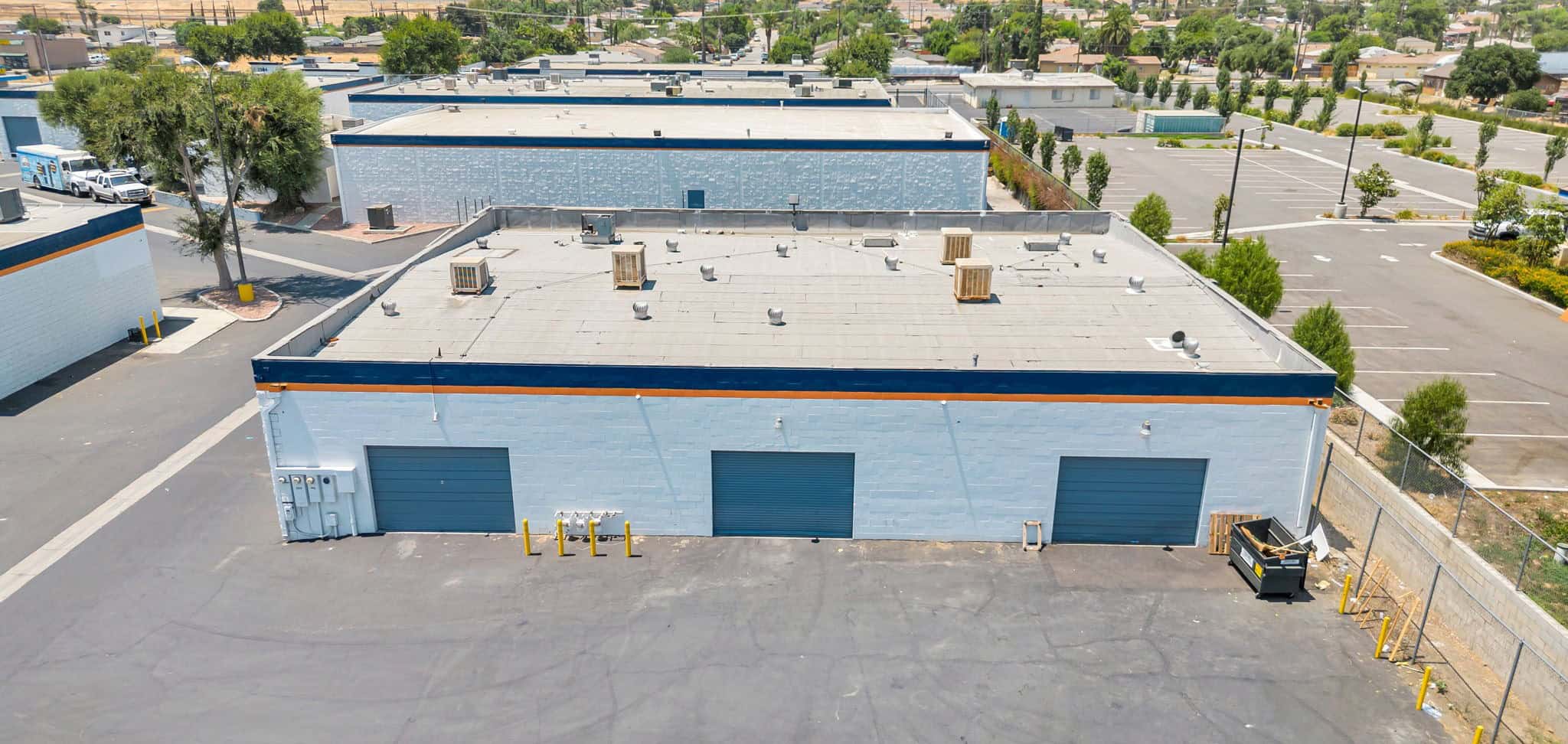
Aerial view of a small bay industrial building at Shadow Rock Commerce Center.

Tara Moore is the Asset Manager for Intersection Equities, executing business plans, optimizing operational performance for properties. For general inquiries, please contact Tara at [email protected] 

Read More Insights

Insights

Intersection. A Company Driven By Integrity.

Read Article

Insights

The Evolution of Capital Raising in Commercial Real Estate: JOBS Act, Crowd Funding, and Crypto

Read Article